Header Logo

Why Newly Adopted Pets Need Time to Adjust

Bringing a new furry friend home is always exciting, but it can also be overwhelming for both you and your adopted pet. Adopted pets face a big change when moving into a new home. They often need time to adjust. Understanding the process can make the transition smoother for everyone involved.
At Animal Medical Center of Louisa, we understand the challenges of helping a newly adopted dog or cat feel safe and secure in their new environment. A successful new pet transition requires patience, routine, and consistent care. In this article, we’ll explore common adopted dog behavior, signs of stress in adopted cats, and practical strategies to support your new furry pal. By following these tips from a Louisa, VA vet, you can help your four-legged buddy feel comfortable, loved, and confident in their new home.
Understanding the Adjustment Period
Every adopted pet experiences the adjustment period differently. Some dogs may appear confident immediately, while others may be shy, anxious, or hesitant. Similarly, cats often hide or avoid interactions initially. Giving your adopted pet time to explore their new surroundings at their own pace is essential for a successful transition.
During this period, pets are learning to trust you, your home environment, and their new routines. Stress is common, and your fourlegged buddy may exhibit behaviors such as hiding, pacing, vocalizing, or even refusing food. Recognizing these behaviors as part of the adjustment process helps you respond with patience rather than frustration.
Creating a Safe and Comfortable Environment
A stable, calm home environment is key to easing the stress of a new pet transition. Designate a quiet area where your furry pal can retreat, complete with a cozy bed, water, and a few familiar toys. For cats, providing vertical spaces such as shelves or cat trees can help them feel secure. Dogs often benefit from a specific area where they can rest undisturbed when they feel overwhelmed.
Consistency in daily routines—feeding, walks, playtime, and bedtime—helps adopted pets learn what to expect from their new home. We recommend keeping interactions predictable and gradually introducing new experiences. Avoid overwhelming your new companion with too many visitors or loud noises during the first few weeks.
Supporting Adopted Dog Behavior
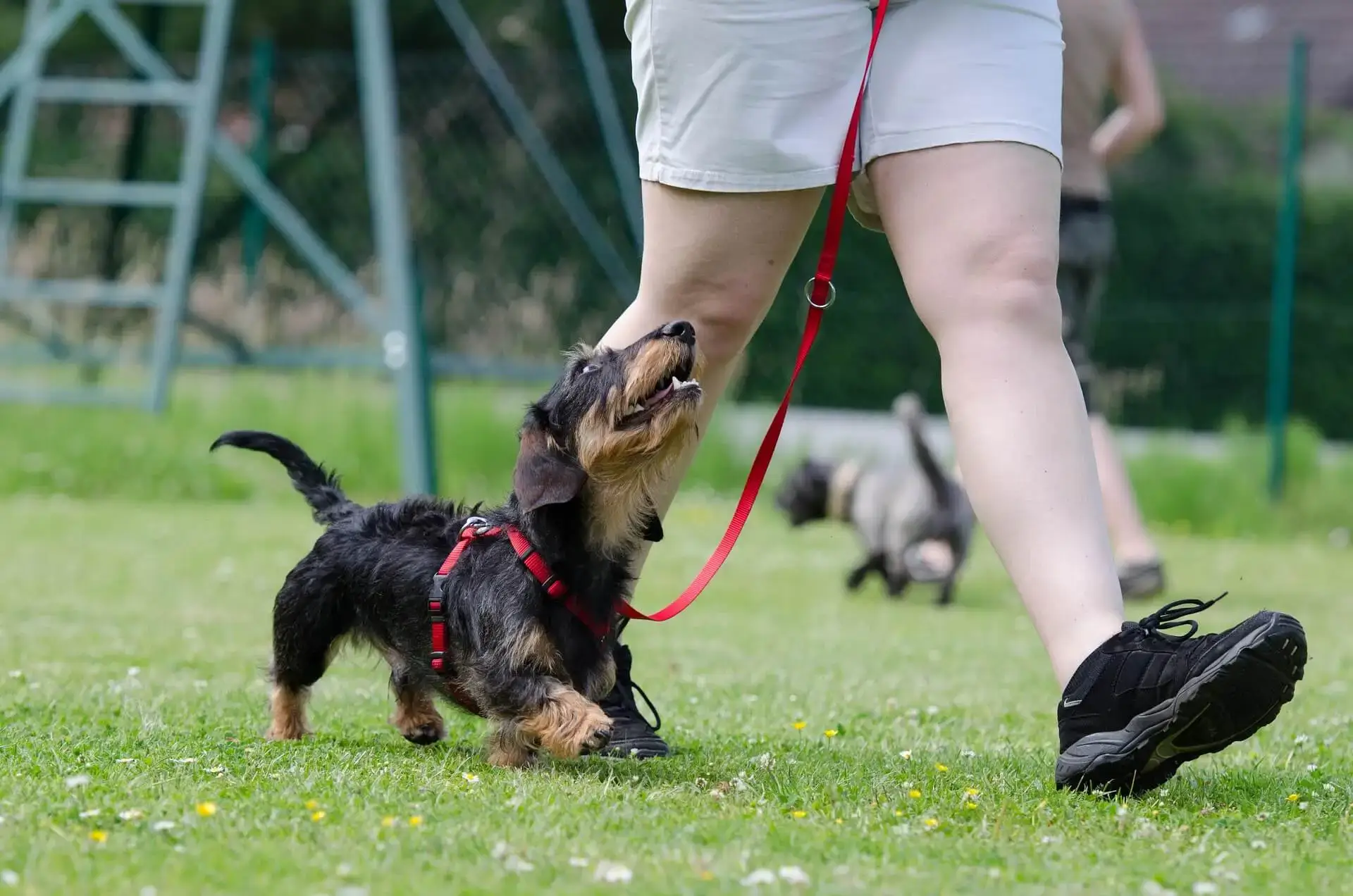
Adopted dogs may display a wide range of behaviors, from excitement to fear. Some may test boundaries or exhibit nervous habits like chewing or barking. Understanding that these behaviors often stem from anxiety or past experiences allows you to respond calmly and constructively. Positive reinforcement, gentle guidance, and predictable routines help your canine buddy gain confidence.
Early socialization and mental stimulation are important for adopted dogs. Short, structured walks, puzzle toys, and interactive play provide exercise and help build trust. We can offer guidance on appropriate training techniques tailored to your dog’s personality, ensuring a positive and supportive environment.
Supporting Adopted Cat Behavior
Cats may take longer to adjust than dogs, frequently hiding or watching from a safe distance. Patience is essential when assisting your feline companion in acclimatization. Create hiding spots, quiet areas, and gradual introductions to family members and other pets. Using calming pheromones or soft background music can help to alleviate anxiety and promote comfort.
Examine your cat’s behavior carefully. Stress symptoms may include hiding, a decreased appetite, excessive grooming, or vocalization. Our veterinarians at Animal Medical Center of Louisa can advise you on how to encourage exploration, socialization, and confidence in your feline friend, allowing them to feel at ease in their new surroundings.
The Role of Veterinary Care in New Pet Transition
A visit to your veterinary clinic soon after adoption is key to assessing your furry pal’s health and keeping it on track. We recommend a wellness check to review vaccinations, perform a physical exam, discuss parasite prevention, and address any immediate health concerns. This visit also provides an opportunity to ask questions about behavior, nutrition, and adjustment strategies.
Regular follow-ups during the first few months can help identify any emerging health or behavior issues early. Our team at Animal Medical Center of Louisa can provide personalized guidance, including advice on stress management, socialization, and behavior modification, to support a smooth transition for your newly adopted pet.
Feeding and Nutrition During Transition
Abrupt changes in food can lead to digestive upset, adding stress to an already challenging transition. Maintaining a consistent diet is important during your pet’s adjustment period. gradually introduce any new diet while monitoring your pet’s appetite and stool quality. Providing multiple small meals throughout the day can also reduce anxiety in newly adopted pets.
Offering healthy treats and incorporating positive reinforcement can help your furry buddy associate good behavior with rewards, encouraging confidence and calm behavior. Feeding routines become an important anchor, helping your pet feel secure and understand the structure of their new home.
Managing Interactions with Other Pets
If you already have pets, introductions should be gradual and supervised. initial meetings should take place in neutral areas. Allow pets to observe and sniff each other from a distance, gradually increasing interactions as their comfort levels rise. Be patient, as some pets may require several weeks to fully accept a new companion.
Separate areas for eating and sleeping reduce conflict and make all pets feel safe. Avoid forcing interactions because stress can impede the adjustment process. With time, consistency, and gentle guidance, most pets can learn to coexist peacefully.
Recognizing Signs of Stress and Anxiety
Stress in adopted pets can manifest in several ways, including excessive grooming, hiding, pacing, or vocalization. Our Louisa veterinarians emphasize the importance of observing your pet’s behavior and responding with patience. Redirecting anxiety through interactive play, gentle reassurance, and structured routines helps your furry pal build confidence and feel secure.
Severe or persistent anxiety may require additional support. In some cases, behavioral consultation, training, or environmental modifications can make a significant difference.
Building Trust and Confidence
Building trust with your adopted pet is a gradual process. Consistency, positive reinforcement, and gentle interactions encourage your furry buddy to explore and engage with their new family. Celebrate small victories, such as your dog resting calmly in their bed or your cat approaching for the first time, as signs of progress.
Interactive play, gentle training, and structured routines strengthen bonds and promote confidence. Our Louisa veterinary clinic encourages owners to be patient and observe subtle cues, as every new pet adjustment unfolds at its own pace.
The Royal Society For The Prevention Of Cruelty to Animals has a post on helping shy kitties get settled, which you can find here. Petfinder has some tips on helping a rescue dog settle in on their blog, which you can find here.
Frequently Asked Questions About Adopted Pet Adjustment
How long does it take for a new pet to adjust?
Adjustment periods vary widely. Some pets may acclimate within a few days, while others require several weeks or months. Patience and consistent routines help ease the transition.
What should I do if my adopted pet hides constantly?
Provide quiet, safe spaces and avoid forcing interactions. Gradually encourage exploration and reward positive behaviors with treats and praise.
Can adopted pets have behavioral issues?
Yes, some behaviors stem from previous experiences or anxiety. Positive reinforcement, training, and guidance from veterinarians can help address these challenges.
How can I introduce my new pet to existing pets?
Introduce pets gradually, in neutral areas, and supervise interactions closely. Give each pet separate spaces for eating, sleeping, and relaxing to reduce stress.
When should I contact my veterinarian during the transition?
If your pet shows persistent anxiety, changes in appetite, unusual behavior, or health concerns, contact your veterinarian for advice and support.
Visit Our Louisa Veterinary Clinic for Adoption Support
Helping a newly adopted pet adjust requires patience, understanding, and professional guidance. At Animal Medical Center of Louisa, we provide personalized strategies for managing behavior, nutrition, and health during the critical transition period. Are you looking for a trusted veterinary clinic in Louisa, VA? You can search for a vet near me, or simply call us to schedule an appointment. Supporting your furry companion through their new pet adjustment ensures a happy, confident, and well-loved member of your family.
This blog is for educational purposes only. Always consult your veterinarian for the best advice, behavior guidance, and medical care for your adopted pet.
To learn more about our Louisa, VA pet clinic, drop by our Service page here for a general overview of our top-notch animal clinic. You can also read about our boarding services here.
Pet Health Warning Signs: 5 Subtle Signs of Illness in Pets That Tell You When to Take Your Pet to the Emergency Vet
Puppy Kitten Care 101

Litterbox Issues And How To Fix Them