Header Logo

Pain Management Options for Senior Pets

As pets age, they may develop aches, stiffness, or chronic pain that can affect their quality of life. At Animal Medical Center of Louisa, our Yanceyville, VA veterinarians frequently meet with pet owners looking for help with managing pain in older pets. Knowing about the different treatment options can help your pet stay happy, active, and comfortable as they get older.
Managing pain in older pets involves more than just giving them medicine. It also includes making changes to their lifestyle, getting them physical therapy, and giving them extra care that is specific to their needs. At our veterinary clinic in Yanceyville, VA, we work closely with families to make plans that are unique to each pet and help with chronic pain and overall comfort and mobility.
Recognizing Pain in Senior Pets
Pain can be subtle, especially in cats or stoic dogs who hide discomfort. Signs may include reduced activity, reluctance to climb stairs, changes in appetite, or difficulty jumping onto furniture. Vocalizations, irritability, or altered sleep patterns may also indicate discomfort.
Don’t underestimate the importance of early recognition. Timely intervention allows for better management of chronic pain in pets and helps maintain independence and mobility.
The Role of Veterinary Assessment
A thorough veterinary examination is the first step in managing senior pet pain. Our veterinary team in Yanceyville, VA evaluates your pet’s overall health, mobility, and behavior to determine the source of pain.
Diagnostic tests such as X-rays, blood tests, or joint evaluations may be advised. These assessments aid in the development of safe and effective treatment strategies that are tailored to your pet’s specific requirements.
Medications for pain relief
Medications are frequently used to manage the pain of senior pets. Nonsteroidal anti-inflammatory drugs (NSAIDs) and other pain relievers can help pets with arthritis and musculoskeletal conditions by reducing inflammation and providing comfort.
We closely monitor medication use to ensure maximum benefit while minimizing potential side effects. To find the most effective treatment for your pet, you may need to adjust the dosage or try different medications.
Physical Therapy and Rehabilitation
Physical therapy supports joint health, mobility, and overall comfort in senior pets. Techniques may include gentle stretching, guided exercise, hydrotherapy, or massage therapy.
At Animal Medical Center of Louisa, our Yanceyville, VA veterinary team incorporates rehabilitation options into senior pet pain management plans. These approaches can reduce stiffness, improve strength, and enhance quality of life without relying solely on medications.
Weight Management and Exercise
Maintaining a healthy weight reduces strain on joints and muscles. Combined with appropriate exercise, weight management plays a significant role in pain relief for senior pets.
Our Yanceyville veterinarians provide guidance on diet and activity levels suited to your pet’s age, breed, and health status. Even short, low-impact walks or controlled play sessions can support mobility and comfort.
Environmental Adjustments at Home
Simple changes in your home environment can help reduce discomfort for senior pets. Soft bedding, ramps for furniture, non-slip flooring, and accessible litter boxes for cats all contribute to easier movement and less strain.
Animal Medical Center of Louisa encourages families in Yanceyville, VA to assess daily routines and make adjustments that enhance comfort. A few modifications can have a meaningful impact on quality of life.
Alternative and Complementary Therapies
Some senior pets benefit from complementary treatments such as acupuncture, laser therapy, or joint supplements. These options can complement conventional medications and support overall well-being.
We discuss all safe and evidence-based alternatives as part of a comprehensive senior pet pain management plan. Individualized approaches help optimize comfort and mobility for each furry friend.
Monitoring Progress and Adjusting Plans
Effective senior pet pain management requires ongoing evaluation. Regular check-ins with your veterinarian allow adjustments to medications, therapies, or routines based on your pet’s changing needs.
Always observe pets’ behavior, activity levels, and appetite at home. Sharing these observations helps fine-tune treatment plans and can go a long way in keeping your furry pal comfortable.
Supporting Emotional Well-Being
Chronic pain can affect a pet’s mood and behavior. Maintaining social interaction, gentle play, and positive reinforcement contributes to mental well-being alongside physical comfort.
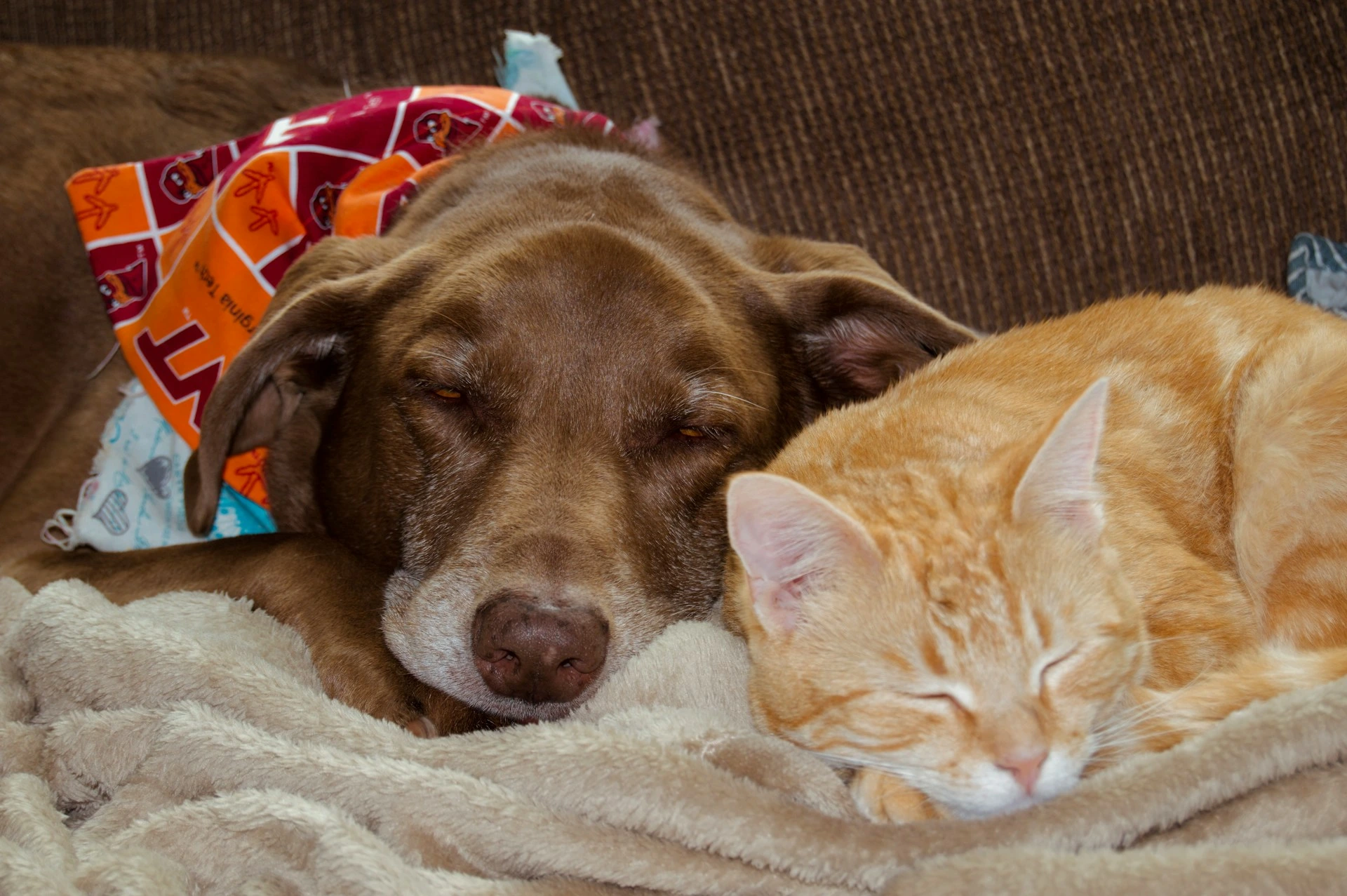
Older pets often want lots of cuddles and love. Providing reassurance, consistency, and attention enhances overall quality of life.
Check out this blog from Cornell University on caring for an older cat. PetMD has a blog on senior dog care, which you can read here.
Frequently Asked Questions About Senior Pet Pain Management
How can I tell if my senior pet is in pain?
Signs of pain may include limping, stiffness, decreased activity, reluctance to jump, changes in appetite, or altered sleep patterns. Vocalizations or irritability can also indicate discomfort. Early recognition allows your veterinarian to implement an effective pain management plan.
What treatment options are available for senior pet pain?
Treatment options include medications such as NSAIDs, physical therapy, rehabilitation exercises, environmental modifications, weight management, and complementary therapies like acupuncture or laser therapy. Each plan is tailored to the pet’s specific needs.
Are there risks to using pain medications long-term?
Some medications can have side effects if used long-term, including gastrointestinal or kidney concerns. Your veterinarian monitors health parameters closely and adjusts dosages or medications as needed to maximize benefit while minimizing risk.
How often should senior pets be evaluated for pain?
Regular checkups are recommended, often every 3–6 months depending on health status and age. More frequent visits may be needed for pets with progressive conditions. Continuous monitoring is key to helping you provide optimal comfort and make sure your furry bestie is enjoying the best possible quality of life.
Can lifestyle changes really help manage pain?
Yes, adjustments in diet, exercise, and home environments can significantly reduce strain on joints and muscles. Weight management, soft bedding, ramps, and low-impact exercise complement medical treatments and enhance mobility.
Visit Our Yanceyville Veterinary Clinic for Senior Pet Support
Pain management is essential for helping senior pets maintain comfort, mobility, and quality of life. At Animal Medical Center of Louisa, our Yanceyville, VA veterinarians provide comprehensive senior pet pain management, arthritis pain relief, and chronic pain support. If you are looking for a trusted veterinary clinic in Yanceyville, VA, you might search for a vet near me or call our clinic to schedule an appointment. We are here to help your furry friend enjoy their golden years with comfort and care.
This blog is intended for informational purposes only. Always consult your veterinarian for personalized medical advice, diagnosis, or treatment recommendations for your pet.
To find out more about our Louisa, VA pet clinic, drop by our Service page here for a general overview of our top-notch animal clinic. You can also read about our boarding services here.

How Laser Therapy Helps Dogs Heal Faster

Why Newly Adopted Pets Need Time to Adjust

Tips for a Smooth Boarding Stay for Your Dog