Header Logo

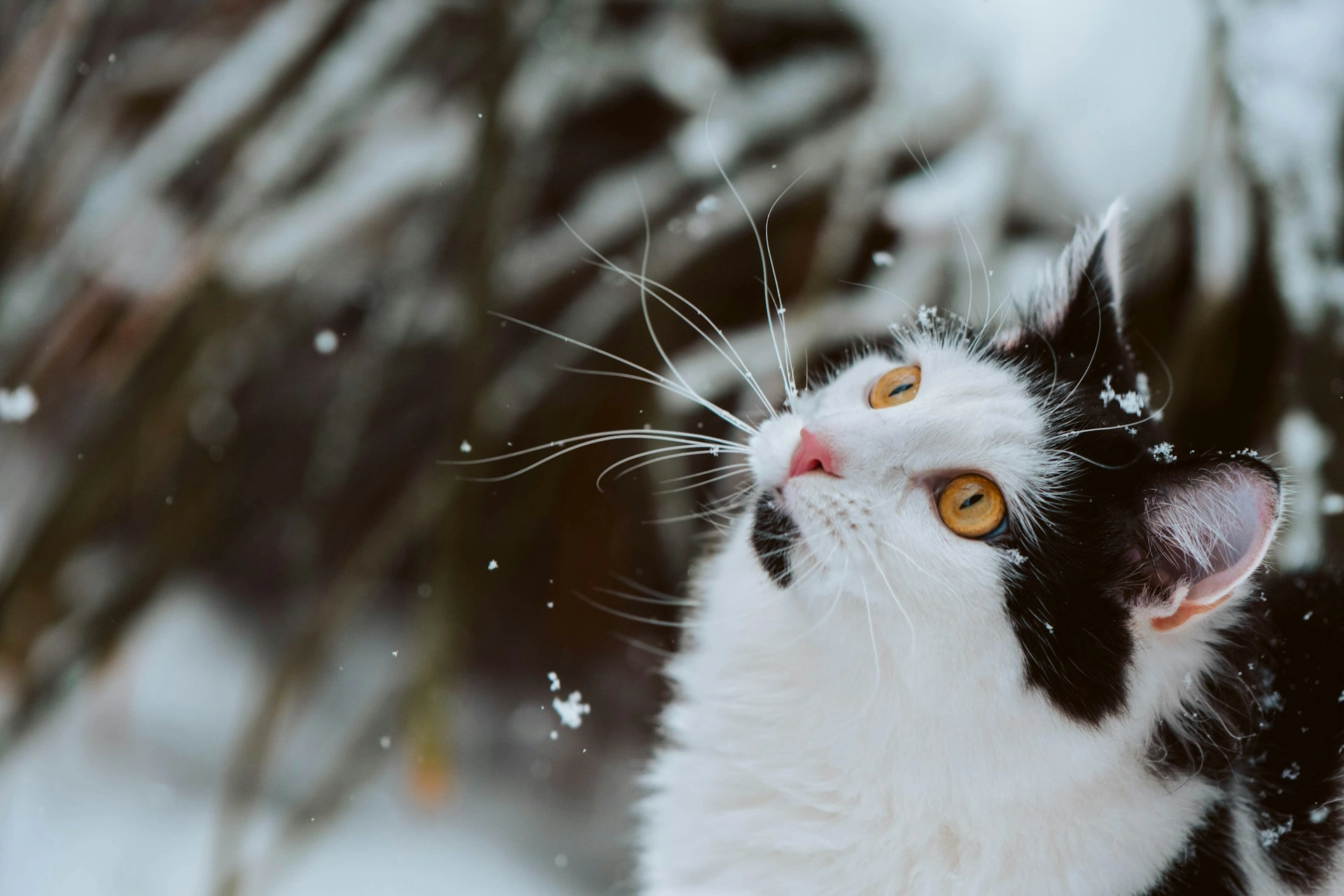
Winter Care Tips for Indoor and Outdoor Cats

As temperatures fall in Virginia, your feline companion may face new challenges in staying healthy and comfortable. Our Byrd Mill, VA veterinarians at Animal Medical Center of Louisa understand that winter cat care entails caring for both indoor and outdoor cats. Cold temperatures, icy conditions, and changes in daylight can have an impact on your cat’s health, activity, and safety. With a few thoughtful strategies, you can ensure that your feline companion thrives all season.
Winter cat care involves more than keeping your indoor cat cozy or ensuring your outdoor cat avoids the elements. At our Byrd Mill veterinary clinic, we provide guidance for protecting cats from cold weather, managing indoor activity, and maintaining proper nutrition. This article will cover essential tips for cold weather cat safety, outdoor cat winter care, and indoor cat winter health, helping you support your furry overlord through Virginia’s winter months.
Understanding the Risks of Cold Weather for Cats
Cold weather presents various risks for cats, both indoors and outdoors. Outdoor cats are vulnerable to frostbite, hypothermia, and icy conditions that can make travel dangerous. Indoor cats may be less exposed to temperature extremes, but they still require attention to warmth, hydration, and environmental enrichment. Understanding the risks helps prevent seasonal health issues.
Hypothermia occurs when a cat’s body temperature drops below normal, leading to lethargy, shivering, and slowed movements. Frostbite commonly affects extremities such as ears, tails, and paws. Even indoor cats may develop mild health issues if rooms are drafty or heating is uneven. Careful observation and adjustments can help you keep your kitty comfortable and safe throughout the winter season.
Protecting Outdoor Cats in Winter
Outdoor cats face unique challenges during Virginia winters. Cold weather, ice, and snow can create hazards that affect mobility, health, and comfort. We suggest several strategies for outdoor cat winter care:
- Provide insulated shelters with dry bedding to protect against cold and wind.
- Ensure access to unfrozen water daily, as hydration is essential even in winter.
- Limit outdoor exposure during extremely cold temperatures or icy conditions.
- Check paws regularly for signs of frostbite or injury.
Outdoor cats can get away from the weather by using insulated boxes or covered areas. Checking on your cat regularly makes sure that any problems are taken care of right away, before they become serious health issues.
Supporting Indoor Cat Winter Health
Indoor cats also benefit from winter-focused care. Shorter daylight hours and colder temperatures can reduce activity, leading to weight gain or boredom. Our Byrd Mill veterinarians recommend providing environmental enrichment, such as climbing trees, interactive toys, and play sessions, to keep your feline companion active and mentally stimulated.
The temperature inside should stay the same and be comfortable. Your cat may not be comfortable if there are drafts, cold floors, or rooms that aren’t heated well. Think about putting warm beds, heated pads, or blankets in cozy places where your cat likes to sleep. These small changes will make your indoor cat healthier in the winter and help them feel better overall.
Nutrition and Hydration During Winter
Winter cat care also includes proper nutrition and hydration. Outdoor cats expend more energy staying warm, while indoor cats may become less active. Our Byrd Mill veterinary clinic recommends adjusting feeding routines accordingly. Ensuring your cat receives balanced, high-quality food supports energy needs and immune function throughout the season.
Staying hydrated is just as important. In colder weather, cats may drink less, which can make urinary tract problems more likely. To get cats to drink more water, give them more places to get it, use water fountains, or warm the water a little bit for outdoor cats. Keeping both indoor and outdoor cats well-hydrated is an important part of their winter care.
Grooming and Coat Maintenance
A cat’s coat plays an important role in regulating body temperature. Regular brushing helps maintain a healthy winter coat by removing loose hair and preventing matting. For outdoor cats, grooming reduces the risk of ice or snow accumulation on fur. Our Byrd Mill veterinarians recommend weekly brushing for short-haired cats and more frequent sessions for long-haired kitties during winter months.
Monitoring Health and Behavior Changes
Winter can exacerbate certain health conditions, such as arthritis or respiratory issues, particularly in senior cats. Monitor Fluffy for changes in mobility, activity level, appetite, or grooming habits. Early intervention helps prevent complications and keeps your kitty comfortable throughout the season.
Behavioral changes, such as increased hiding, excessive grooming, or reduced activity, may indicate stress or discomfort. Addressing these issues promptly, through veterinary guidance or environmental adjustments, supports both indoor cat winter health and outdoor cat winter care.
Safety Precautions for Winter Hazards
Virginia winters can present specific hazards for cats. Outdoor cats may encounter antifreeze, de-icing salts, and icy roads, all of which pose risks. Indoor cats may be exposed to space heaters or electrical cords. Our Byrd Mill veterinarians recommend:
- Keeping harmful chemicals out of reach
- Ensuring heating sources are safe and monitored
- Using non-toxic de-icing products when possible
- Supervising outdoor activity or providing safe, enclosed areas
Taking proactive safety measures reduces the risk of injury and illness, allowing your feline pal to enjoy the season safely.
The Ontario SPCA and Humane Society has a helpful article on winter care for dogs here. The Animal Medical Center of Ontario also has a good piece on this here.
Frequently Asked Questions About Winter Cat Care
How can I tell if my cat is too cold?
Signs include shivering, curling tightly, lethargy, and seeking warm areas. Provide a cozy shelter or warm bedding immediately.
Should outdoor cats stay inside during extreme cold?
Yes. When temperatures drop significantly, outdoor cats should have access to a safe, warm indoor space to prevent hypothermia and frostbite.
How can I encourage indoor cats to stay active in winter?
Interactive toys, climbing structures, play sessions, and puzzle feeders help maintain activity and mental stimulation.
Can winter affect a senior cat’s joints?
Yes. Colder temperatures can worsen arthritis or joint stiffness. Provide warm resting areas and consult your veterinarian for supportive care.
How do I keep my cat hydrated in winter?
Offer multiple water sources, consider water fountains, and slightly warm water if your cat drinks less in cold weather. Hydration is essential year-round.
Visit Our Byrd Mill Veterinary Clinic for Winter Cat Care Advice
Caring for your indoor or outdoor cat during Virginia winters requires attention to safety, warmth, nutrition, and activity. At Animal Medical Center of Louisa, our Byrd Mill veterinarians can provide guidance tailored to your feline companion’s specific needs.
Are you searching for a trusted veterinary clinic in Byrd Mill, VA? You can look for a vet near me, or simply call us to schedule an appointment. Protect your kitty’s health and comfort throughout the winter season with the support of our experienced veterinary team.
This blog is intended for informational purposes only. Always consult your veterinarian for guidance on health, safety, or winter care tips for your cat.
To learn more about our Louisa, VA pet clinic, drop by our Service page here for a general overview of our top-notch animal clinic. You can also read about our boarding services here.

The Hidden Health Risks of Pet Obesity

Your Dog’s Surgery: What to Expect Before and After
Winter Care Tips for Indoor and Outdoor Cats