Header Logo

Keeping Pets Safe During Hot Virginia Summers

Virginia summers can be hot, humid, and challenging for pets, especially dogs and cats who aren’t accustomed to extreme temperatures. At Animal Medical Center of Louisa, our Wares Crossroads, VA veterinarians understand that summer pet safety is essential to prevent heat-related illnesses and keep your furry companions comfortable. With the right precautions, you can help your four-legged buddy enjoy the season safely.
Hot weather pet care goes beyond providing water and shade. At our Wares Crossroads veterinary clinic, we help pet owners recognize signs of heat stress, take proactive measures, and create safe environments for pets during summer. In this article, we’ll discuss heat safety for pets, the dangers of heatstroke, and practical strategies to protect your furry pal in Virginia’s warm months.
Understanding the Risks of Heat
Heat and humidity can quickly affect pets. Dogs and cats regulate body temperature differently than humans, relying primarily on panting or limited sweating through paw pads. Overheating can happen rapidly, especially in short-nosed breeds, senior pets, or pets with underlying medical conditions.
Being proactive about summer pet safety is critical to prevent serious complications and ensure your furry companion remains healthy.
Preventing Heatstroke in Pets
Preventing heatstroke starts with awareness and planning. Our Wares Crossroads veterinary clinic recommends several strategies:
- Limit outdoor activity during peak heat: Walk dogs early in the morning or late in the evening when temperatures are lower.
- Provide shade and cool areas: Ensure outdoor pets have access to covered spaces or indoor environments with fans or air conditioning.
- Avoid hot surfaces: Asphalt and sand can burn paws; walk your canine buddy on grass or shaded paths.
- Hydration: Offer fresh water frequently, and encourage your pet to drink regularly.
Consistently monitoring your pet during outdoor activity and making environmental adjustments reduces the risk of heat-related illnesses.
Special Considerations for Dogs
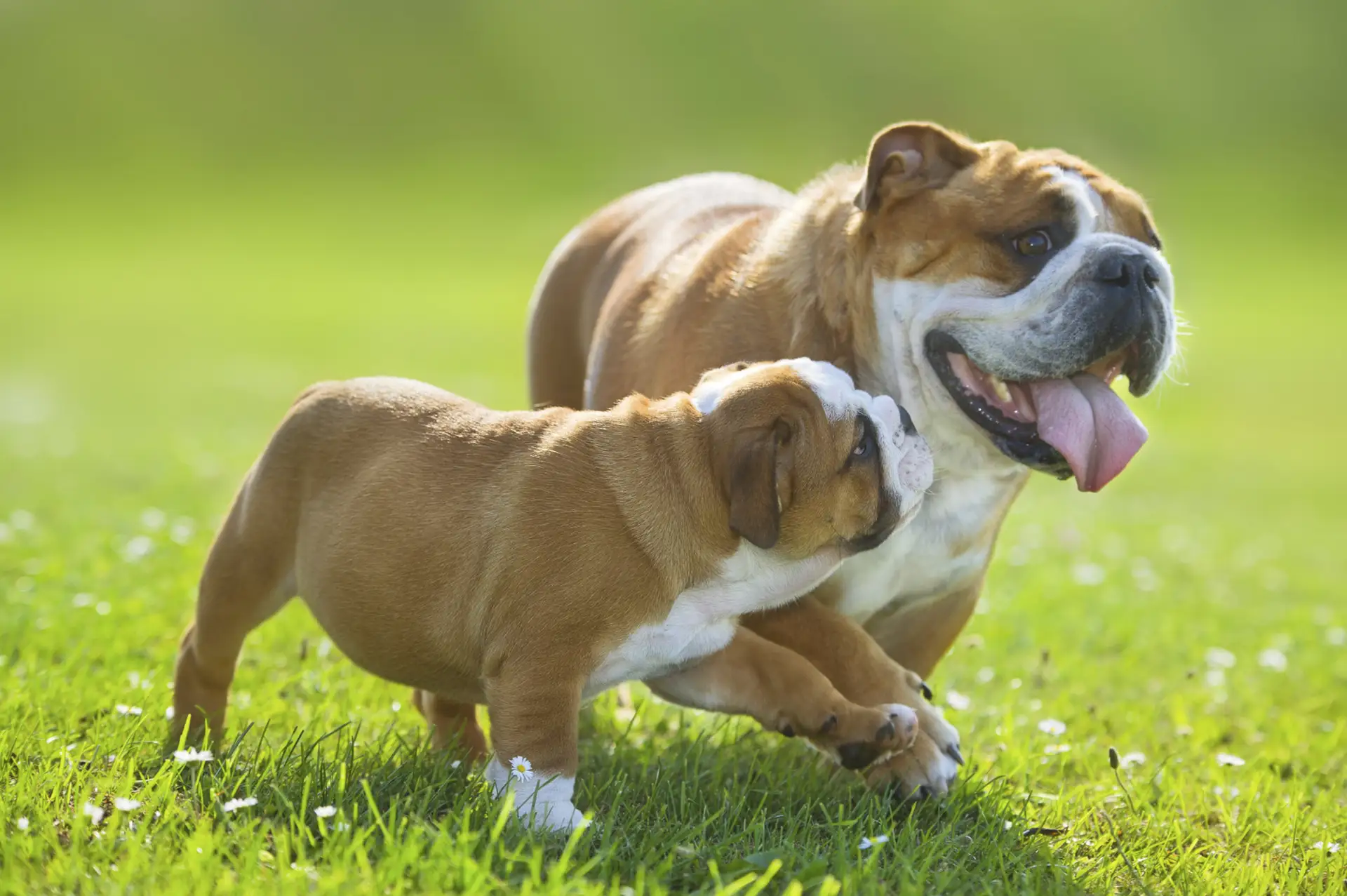
Dogs are particularly vulnerable to summer heat. Breeds with short noses (like Bulldogs or Pugs), senior dogs, and overweight pets have a higher risk of heat stress. Keep a close eye on your canine pal, watch for early signs of overheating, and limit intense exercise.
Never leave a dog in a parked car—even for a few minutes. Temperatures can rise rapidly, causing severe heatstroke or death. Cooling measures such as damp towels, fans, and shaded areas are vital when pets are outside for any duration.
Special Considerations for Cats
Cats are generally less active outdoors but are still susceptible to heat. Outdoor cats need access to shaded areas and fresh water, while indoor cats benefit from cool spaces with airflow. Keep an eye out for panting, hiding, unusual vocalizations, or lethargy, as these are indicators of heat stress.
Indoor cats may overheat if they are in direct sunlight or in poorly ventilated rooms. Providing multiple cool resting spots, such as tiled floors or shaded furniture, helps maintain comfort during hot Virginia days.
Summer Pet Safety Tips for Everyone
Creating a safe environment during hot months requires a holistic approach. Our Wares Crossroads veterinarians suggest these additional strategies:
- Grooming: Regular brushing removes excess fur and allows better heat dissipation. Avoid shaving breeds with sun-sensitive skin, but maintain cleanliness.
- Outdoor supervision: Monitor pets during playtime to prevent exhaustion or dehydration.
- Cooling products: Use cooling mats, portable fans, or water fountains for added comfort.
- Training for heat breaks: Encourage your pet to rest frequently during walks or outdoor activities.
By combining these strategies, you create a safer, more enjoyable summer for your furry pal while minimizing health risks.
Recognizing Heatstroke Symptoms
Despite precautions, pets can still experience heat-related illness. Early recognition is critical. Symptoms of heatstroke include:
- Heavy panting or difficulty breathing
- Bright red or bluish gums
- Vomiting or diarrhea
- Lethargy or collapse
- Rapid heartbeat or excessive drooling
If you suspect heatstroke, move your pet to a cool environment immediately, offer small amounts of water, and contact your Wares Crossroads veterinary clinic for urgent care. Rapid treatment is essential! This is crucial for helping to prevent organ damage or worse outcomes.
Emergency Response for Overheating Pets
If your furry companion shows signs of severe heat stress:
- Cool gradually: Apply cool (not ice-cold) water to the body, focusing on paw pads, armpits, and groin.
- Hydrate carefully: Offer small sips of water or use a damp cloth for oral hydration.
- Seek veterinary care: Contact Animal Medical Center of Louisa immediately. Heatstroke is a medical emergency requiring professional intervention.
Our veterinarians at Wares Crossroads are skilled in handling heat-related emergencies, stabilizing your pet with supportive care, intravenous fluids, and quick cooling.
The ASPCA wrote about summer safety tips for dogs in an article here. Read more about summer safety tips for dogs in this article by the Cornell College of Veterinary Medicine.
Frequently Asked Questions About Summer Pet Safety
How long can my dog tolerate hot weather?
Exposure should be limited, especially for short-nosed, senior, or overweight dogs. Monitor for signs of distress and provide frequent breaks.
Can indoor cats get heatstroke?
Yes. Cats can overheat in sunny or poorly ventilated rooms. Provide cool resting areas and fresh water.
What are the first signs of heat stress?
Excessive panting, drooling, lethargy, and restlessness are early indicators.
Are cooling products safe for pets?
Yes, cooling mats, fans, and shallow wading pools are safe and effective when used properly.
When should I call the veterinarian?
Contact your Wares Crossroads veterinary clinic immediately if your pet shows severe signs such as collapse, vomiting, or labored breathing.
Visit Our Wares Crossroads Veterinary Clinic for Summer Safety Advice
Keeping your pets safe during Virginia’s hot, humid summers requires preparation, vigilance, and guidance. At Animal Medical Center of Louisa, our Wares Crossroads veterinarians provide advice on summer pet safety, heat prevention, and early intervention for heat-related illness. Are you looking for a trusted veterinary clinic in Wares Crossroads, VA? You can try searching for a vet near me, or call us today to schedule a wellness visit. Protecting your furry pal from heat ensures a happy, healthy summer for your canine or feline friend.
This blog is intended for informational purposes only. Always consult your veterinarian for guidance, diagnosis, or medical care for your pet during hot weather.
To learn more about our Louisa, VA pet clinic, drop by our Service page here for a general overview of our top-notch animal clinic. You can also read about our boarding services here.
4 Ways to Fight Fleas
Seasonal Nutrition Tips for Dogs and Cats
Pain Management Options for Senior Pets